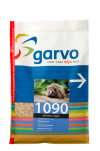
Assortment
forest & garden animals hedgehog
If your garden proves to be a safe place for hedgehogs, help them by providing a sheltered hiding place. In spring, autumn, and winter, hedgehogs sleep for about 18 hours a day. From July to November, there may be a nest with young hedgehogs in a compost heap or in a corner with blown leaves, so do not tidy up too quickly or too thoroughly. If you have a pond, make sure there is a sloping plank in the water and/or a rough edge so that hedgehogs can climb out and do not drown. Hedgehogs are extremely useful animals, and it is also a pleasure to watch them forage in the evening. Because human intervention has reduced their natural habitats, they are now on the list of protected species. By providing supplementary food, we help hedgehogs survive the winter, ensuring that our children and grandchildren will continue to encounter these charming animals in gardens and forests for many years to come.
Hedgehogs are omnivores. They enjoy eating soft invertebrates such as worms, slugs, caterpillars, insects, and woodlice, but they will also occasionally eat a small lizard or a frog. They may also eat the occasional egg. In addition, they enjoy fruits, berries, and sometimes mushrooms. Never feed hedgehogs milk, bread, salty foods, or table scraps.
Garvo’s ready-to-use hedgehog food comes highly recommended. Hedgehogs love it, and it has been specially developed to keep our European hedgehog (Erinaceus europaeus) strong and healthy. It also helps them build up a good fat reserve, which provides the energy they need during hibernation.
feeding advice
- Fill a small dish with hedgehog food. Only refill the dish once it is empty.
- Try to place it in a sheltered spot where other animals cannot easily eat from it, as many different animals are very fond of it.
- Never give hedgehogs milk: milk makes hedgehogs sick.