WILD BIRDS | Feeding Them Safely and Responsibly: Tips for Bird Lovers
Wild birds are a wonderful part of nature right outside your door. They bring life, color, and cheerful songs — and they also help keep insect populations under control. Many people enjoy feeding wild birds, especially during the colder months. But how can you do this safely and responsibly, so the birds stay healthy and continue to behave naturally?
Why Feed Wild Birds?
You can provide food for wild birds all year round. Their nutritional needs change with the seasons: in spring and summer, extra food helps them raise their young, while in autumn and winter, natural food becomes scarce and extra feeding can make a real difference.
Feeding birds throughout the year helps them find enough energy and supports their health and survival. Remember, though, that feeding should supplement their natural diet — not replace it. Too much or the wrong kind of food can be harmful and cause health problems.
What Can You Safely Offer?
Different bird species have different dietary needs, but the following options are safe and suitable for most wild birds:
- Fruit
- Fat balls or unsalted peanut butter (learn how to make your own fat balls using Garvo bird food)
- Unroasted, unsalted peanuts
- Garvo 5346 wild bird mixture – a balanced blend of grains, seeds, and kernels ideal for a wide range of wild bird species
- Fresh water – always available for drinking and bathing
Avoid moldy or damp food, salted peanuts, bread, milk, or spiced foods, as these can make birds ill or disrupt their natural diet.

The Right Location and Hygiene
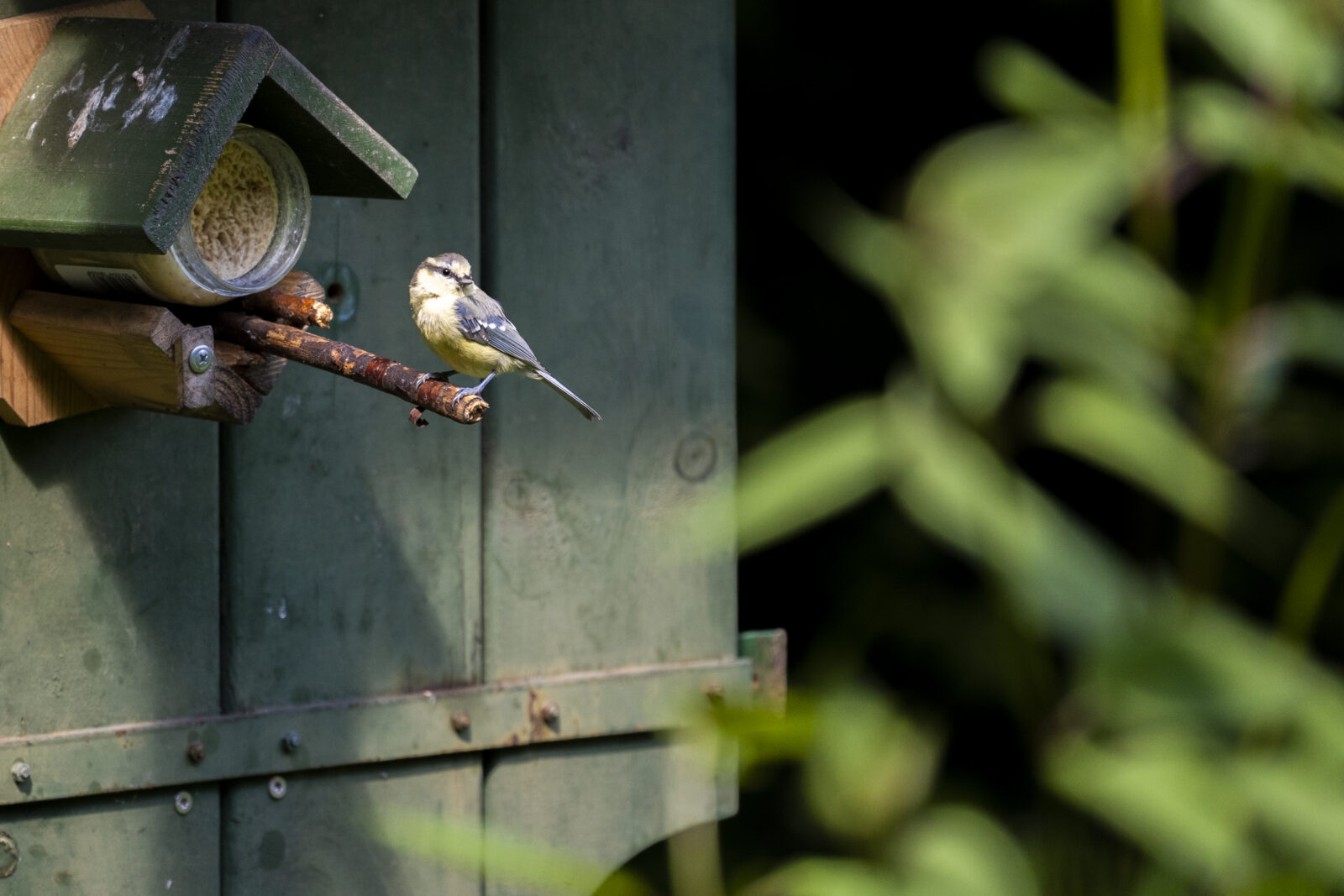
- Place feeders or feeding houses in a safe spot, out of reach of cats. Avoid using plastic netting for fat balls, as it can be dangerous for birds.
- Keep feeding areas clean: remove leftovers regularly and clean feeders and water dishes with hot water (without detergent).
- Feed regularly but in moderation to prevent food from piling up and spoiling. Overfeeding can attract pests and spread disease.
- Always provide fresh, clean water, especially in winter when natural sources may freeze.
Seasonal Tips
- Winter: Birds need every bit of extra energy — offer seed mixes, fruits, fat balls, and peanuts.
- Spring: Birds look for protein sources such as insects, caterpillars, and worms. A bird-friendly garden will usually provide these naturally, but you can help by offering extra proteins (mealworms) and calcium (crushed eggshells).
- Summer: A shallow dish of fresh water is essential — birds drink from it and bathe in it. They also need protein-rich food during this time.
- Autumn: Fat balls and peanuts are perfect for this season. Many bird species also enjoy the vitamin-rich berries growing on your garden shrubs.
Responsible Feeding with Garvo
If you want to support wild birds, it’s best to choose food that matches their natural nutritional needs. Garvo developed 5346 wild bird mixture, a healthy, varied, and safe blend for all kinds of wild birds. This way, you can contribute to their wellbeing in a responsible and natural way.