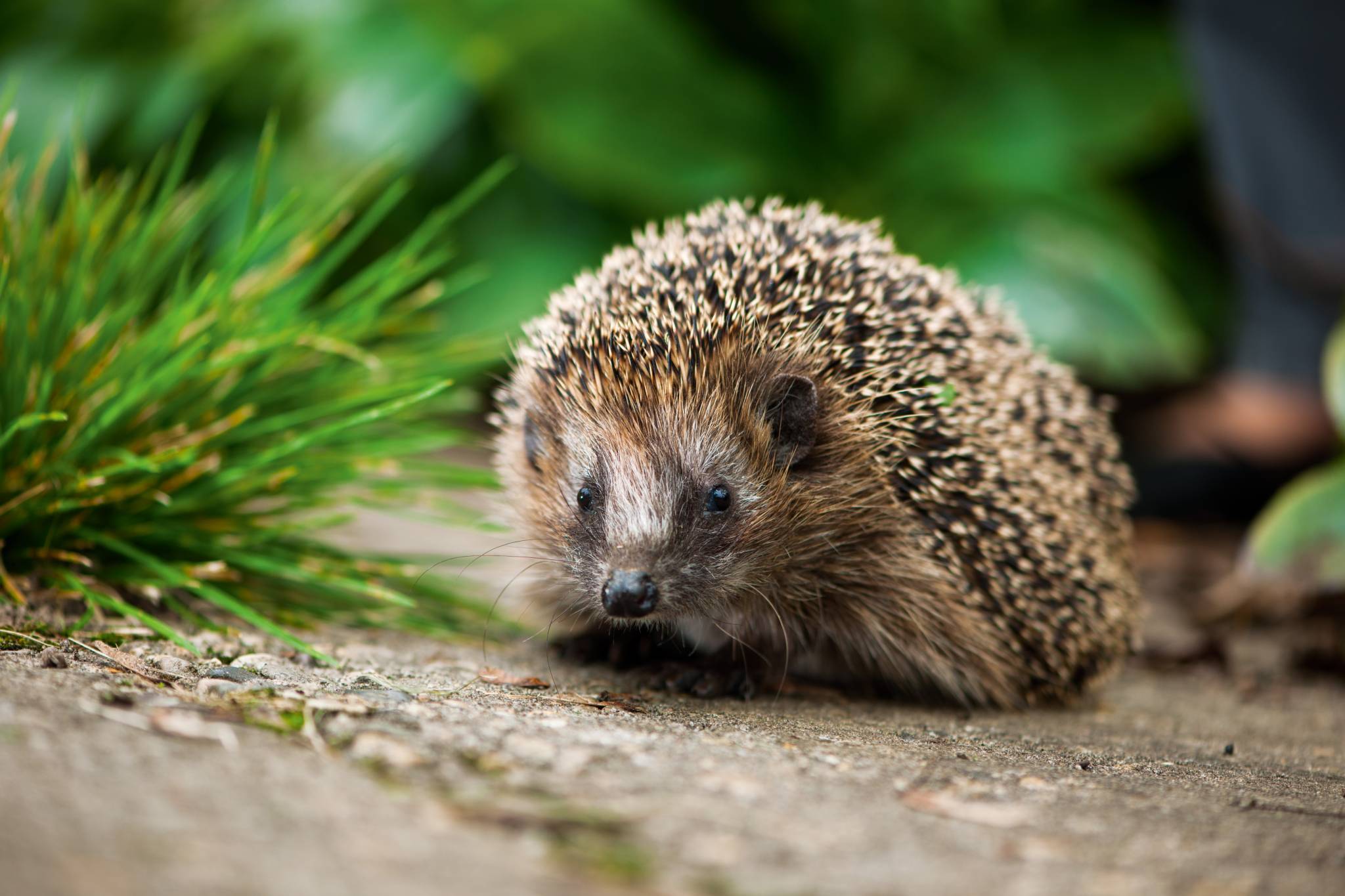
HEDGEHOGS | Feeding Responsibly and Creating a Safe Habitat
When Do Hedgehogs Go Into Hibernation?
In the Netherlands, hedgehogs usually go into hibernation between late October and early December, depending on the weather.
Start of hibernation: typically when night temperatures stay below 5°C for several nights in a row.
End of hibernation: usually in March or April, once night temperatures consistently rise above 5–7°C.
Note: Young or weak hedgehogs may go into hibernation later, or wake up temporarily during mild winters.
Why Feed Hedgehogs?
Supplementary feeding can be helpful, especially in autumn and winter when insects and other natural food sources are scarce. Extra food helps hedgehogs build up enough fat reserves to survive the cold months.
Feeding can also be useful in summer — for example during long dry spells when food is hard to find.
However, it’s important not to make hedgehogs dependent on human food. Feeding should supplement their natural diet, not replace it. Young, sick, or underweight hedgehogs can especially benefit from some extra support.
What Do Hedgehogs Eat in the Wild?
Hedgehogs are true insectivores. Their natural diet mainly consists of:
- Insects such as beetles and larvae
- Slugs and worms
- Occasional berries and fruit
- Small amounts of eggs or baby animals (rarely)
Not all store-bought food is suitable. Hedgehogs need protein-rich food and must never be given milk, as it can cause serious digestive problems.
What Can You Responsibly Offer?
If you’d like to feed hedgehogs, choose food that’s safe and complements their natural diet. Recommended options include:
Garvo 1090 alfamix hedgehog – a complete, balanced food specially developed for hedgehogs.
Garvo 5091 catmix – high-quality cat kibble, also excellent for supplementing hedgehogs’ diet.
Avoid: milk, bread, spiced foods, eggs, or mealworms, as these can make hedgehogs ill.
Ensure the food is dry and clean, and place it in a quiet, sheltered area where hedgehogs feel safe.
When Is the Best Time to Feed Hedgehogs?
Before hibernation (August – November):
This is a crucial time, as hedgehogs need to build up fat reserves.
- Offer hedgehog or cat food (wet or dry, but no fish).
Provide fresh water — never milk, which causes diarrhea.
Feeding is especially important for young hedgehogs that need to reach at least 600 grams to survive the winter.
During winter (December – February):
- Hedgehogs are usually asleep, so feeding isn’t necessary.
- Only during mild winters — when hedgehogs wake up and move around — should you offer a little food and water again.
After hibernation (March – May):
- As soon as you see hedgehogs again in the evening, start feeding.
- They often wake up weak and natural food can still be scarce.
Summer (June – July):
- Hot and dry conditions can make it hard for hedgehogs to find food and water.
- Always keep fresh water available, and add a little food if the ground is too dry and hard for them to dig.
Creating a Safe Habitat
Hedgehogs feel most comfortable in gardens that provide shelter and hiding spots. Some tips for a hedgehog-friendly garden:
Leave shrubs, hedges, and leaf piles undisturbed so they can hide and nest.
Create access points between gardens with small openings in fences (13 × 13 cm is enough).
Avoid using pesticides or slug pellets — they can be harmful to hedgehogs.
Consider placing a hedgehog house for extra protection.
Hygiene and Feeding Safety
Clean feeding areas regularly and refresh the food often.
Don’t place food near the street or sidewalk to prevent traffic dangers.
Always feed in the evening or at night — hedgehogs are nocturnal and prefer to eat undisturbed.
Responsible Feeding with Garvo
If you’d like to help hedgehogs in your garden, choose food that matches their natural needs. Garvo developed Garvo 1090 Alfamix Hedgehog, a protein- and grain-based feed that perfectly supports hedgehogs’ health. This way, you can care for them responsibly and naturally.

Garvo – Feed to my heart’s delight – Where animals experience the quality of life!