CARE OF CHICKENS | The versatility of chickens
Are chickens really right for me? That’s the question people often ask themselves. People sometimes see chickens scratching about around a house, or hear from others that they keep a few chickens in their garden for tasty eggs. Whether chickens are right for you depends, first and foremost, on whether you’re willing to look after them. If you decide to get chickens, you’ll need to look after them. To make this a bit easier, we’ve put together a few tips for you.
It all starts with a chick
You might start by buying some small chicks from a breeder or in a shop. If you’re starting with chicks, it’s important that they’re given chick feed or chick meal from around the second day onwards. You’ll also need to provide fresh water, a hutch for them to stay in, and the temperature is very important. In the first week, the temperature should be around 35 degrees. Each week, this target temperature should be reduced by 2 degrees until it reaches around 25 degrees. You should also check that the chicks have sufficient feathers and have grown well. Once you’re satisfied with the chicks’ condition, you can gradually remove the heating elements. You can aim to phase out the heating when the chicks are around six weeks old.
Laying feed (pellets or meal)
Once the hens have passed through this initial phase, from around 20 weeks onwards, a few things will change. This is how you ensure they start eating laying feed (pellets or meal). This helps them grow as healthily as possible. Ideally, you will have taken your ultimate goal into account when purchasing your henhouse. For example, do you want to keep a few chickens at home for the eggs? If so, it’s a good idea for your chicken coop to have one or more laying nests. A perch (preferably removable to prevent red mites) in the coop is always important.
Delicious eggs thanks to the herbs in the feed
If we consider the situation where you have a few hens free-ranging at home for their eggs, there are two options. Do you want eggs to eat, or do you want eggs to breed your own hens? Within the Garvo range, the 7308 layer pellets with herbs (complete) and 7309 layer mash with herbs (complete) are ideal for producing the tastiest eggs. Eggs from hens fed this feed are renowned for their delicious, dark, ochre-yellow yolks and the rich flavour of the egg.
Hatching eggs
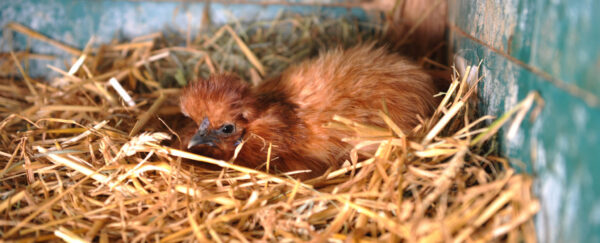
Would you prefer to use naturally fertilised eggs for breeding chickens? In that case, you will of course need a cockerel to fertilise the eggs. You can feed cockerels the same feed as your adult hens. When it comes to breeding, there are two approaches you can take. You can opt for natural incubation, where you leave the eggs as they are and let the hens hatch them themselves.
If you prefer to use an incubator, you collect the eggs and keep a very close eye on them yourself. You can check the eggs after 6 to 7 days using a candling lamp or a torch and an empty toilet roll. This allows you to see whether the egg is fertilised. After about a week, place the fertilised eggs in the incubator and then turn them daily.
Fun fact: If a freshly laid egg is fertilised but hasn’t been incubated, you can simply eat it. The embryo inside hasn’t developed yet. If the egg is fertilised and has been incubated for several days, you can no longer eat it. When you place a fertilised and incubated egg in water, it will ‘dance’ because of the moving embryo. Unfertilised but incubated eggs will simply float quietly.
Good advice on feed
Whatever choice you make, choosing the right feed is a crucial decision. This is because feed has a significant impact on your chicks, hens, cocks and eggs. Always make sure you are well informed before making a decision. Do you have any specific questions or would you like personalised feed advice for your chickens or chicks? Call +31(0)313-472321 or email advies@garvo.nl